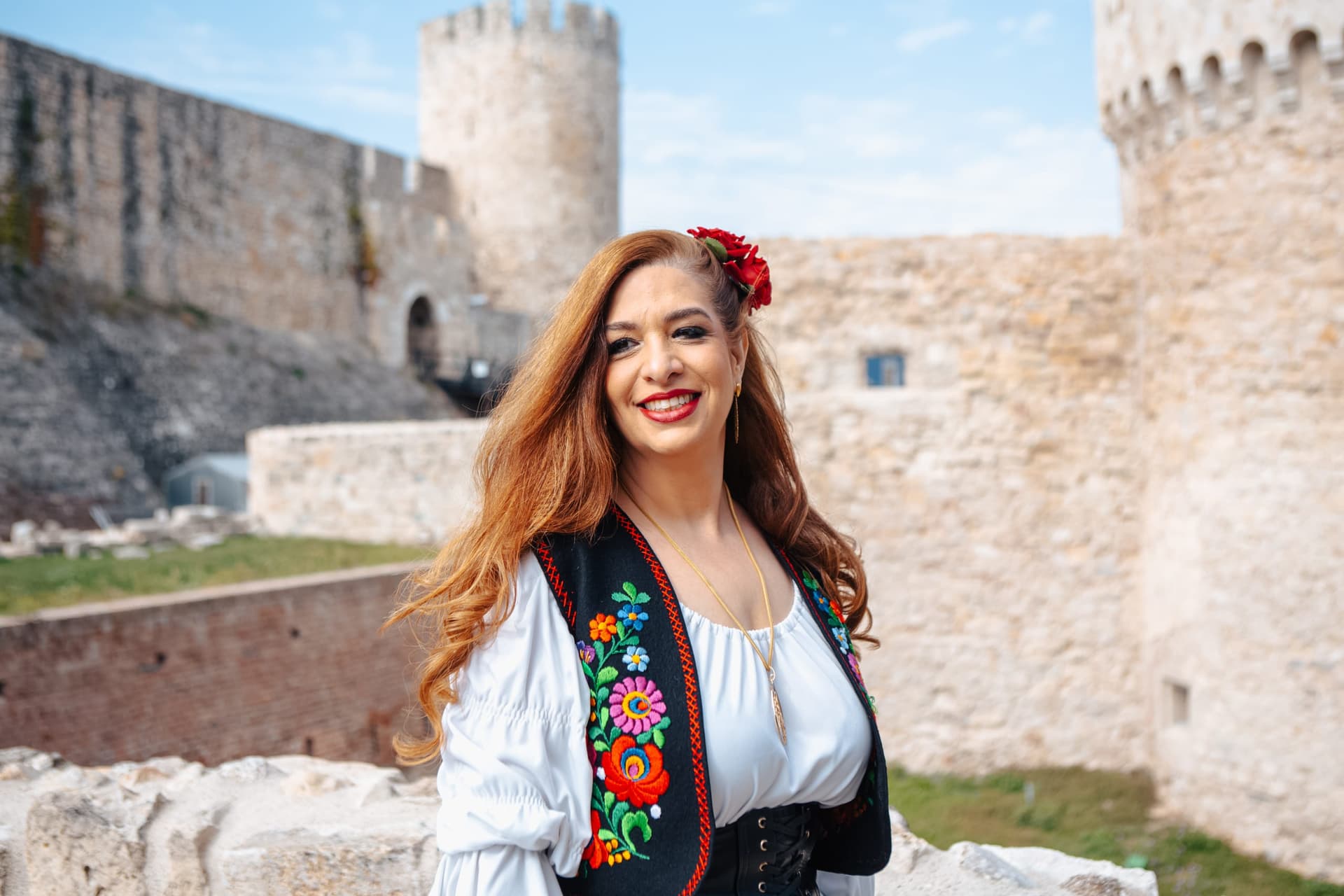

Should You Hire a Photographer While Traveling Europe?
When is hiring a local photographer worth it on a trip to Europe, and when is your phone enough? A practical guide to choosing, asking the right questions, and fitting a short session into a travel day.
Hiring a photographer while you travel is one of those decisions that feels extravagant until you see the result. You already carry a phone that takes a perfectly decent picture, and you will come home with dozens of images no matter what. The real question is not whether a camera exists: it is whether the photographs you bring back tell the story you actually want to remember, and whether you are in them.
I photograph people in Belgrade, and a large share of my clients are travellers passing through for a day or two. This is what I have learned from watching people decide whether to book a session mid-trip: what a local photographer adds, when your phone is genuinely enough, how to choose someone, and how a short session can slot into a travel day without swallowing it whole.
What a local photographer adds
A local photographer brings three things you cannot easily pack. The first is knowledge of place: where the light falls at a given hour, which quiet corner looks good on camera rather than just in person, and how to move through a city without fighting crowds. I can take you to a stretch of Belgrade that photographs beautifully at four in the afternoon and looks flat at noon, because I have stood there in every season.
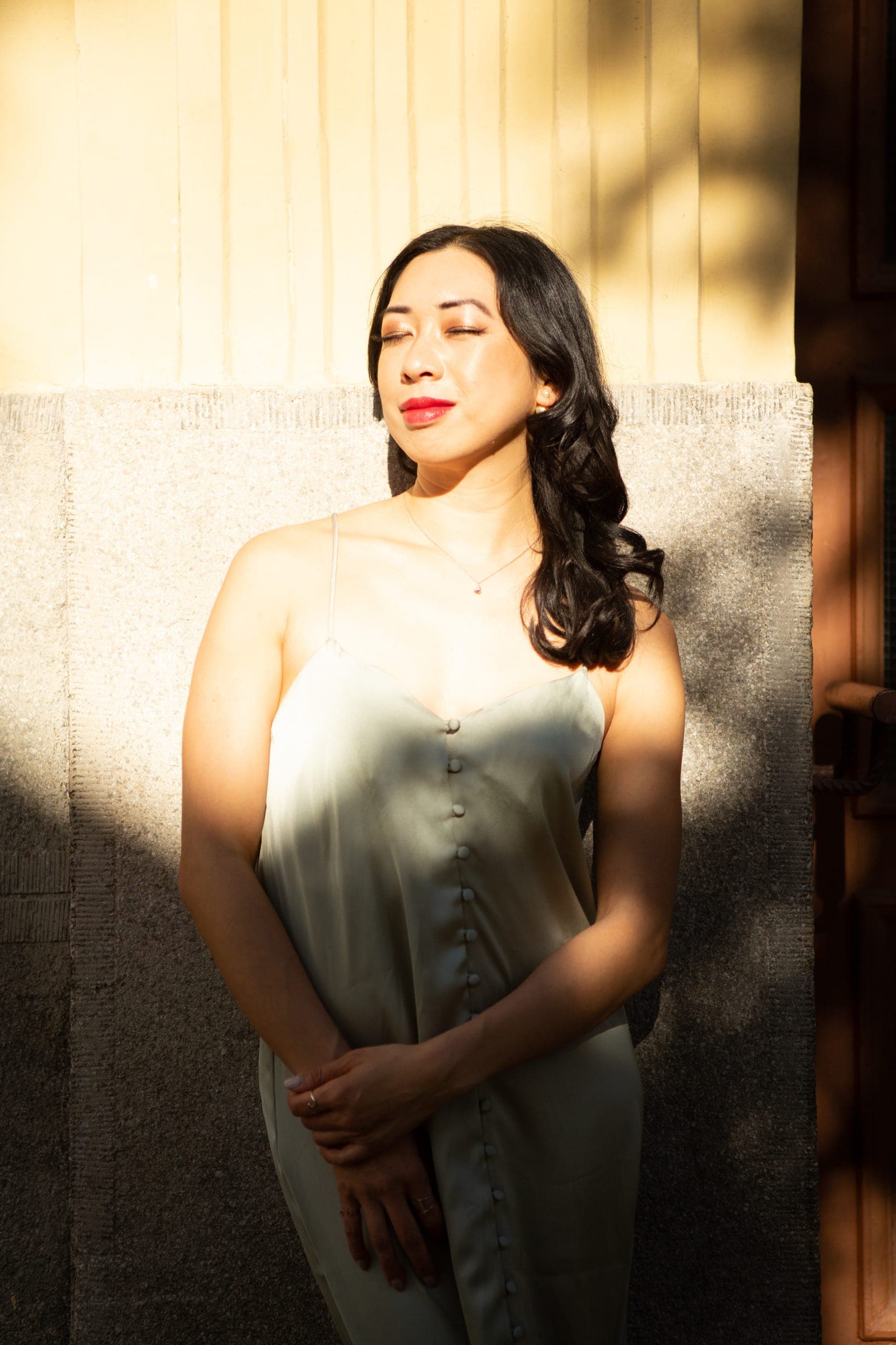
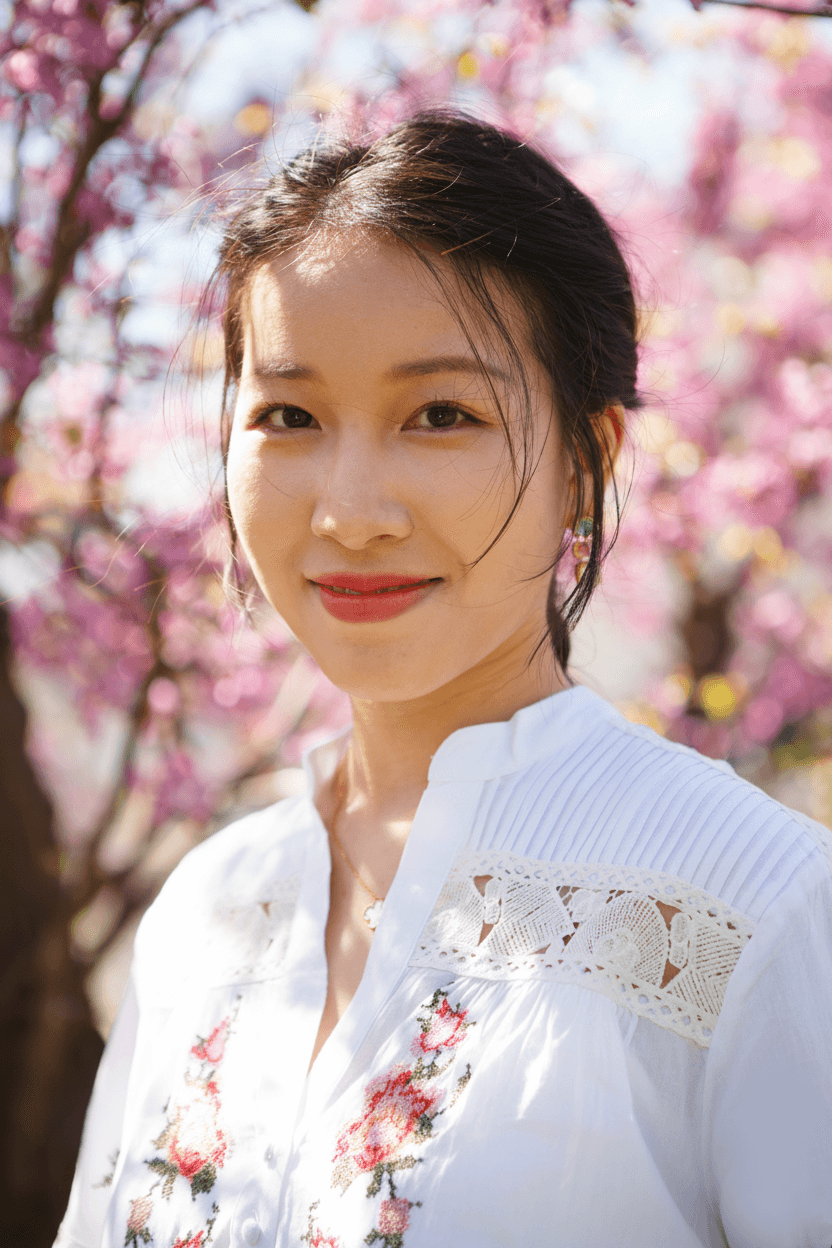
The second is that you finally get to be in the frame. Most travel photos are of other people or of the person you are with, which means the one who planned the trip is often missing from it. A short session changes that: for an hour or two someone else is behind the camera, and you are the subject instead of the one holding the phone.
The third is the quality of the edit. A good photograph is made as much in the choices after the shutter as in the moment itself. You get back a set of images that are already chosen, straightened, and colour-balanced, so the memory is presented the way the day actually felt rather than the way a phone happened to record it.
When your phone is enough
I am honest with travellers about this, because booking a session is not always the right call. If you are moving fast, visiting a dozen places in a week, and the photographs are mostly for your own scrolling, a phone is plenty. The best phone photo is the one you actually took, and there is real value in being spontaneous and unbothered.
Your phone is also enough when the goal is documentation rather than portraits. A quick shot of the food, the street sign, the view from the hotel: those are notes to yourself, and no professional needs to be involved. The moment you want pictures of the people, though, or pictures you would print and put on a wall, the equation starts to shift.
A good middle ground is to do both: keep your phone in your pocket for the candid, messy stuff, and set aside one short block for portraits. The two sets of images complement each other, and the session becomes a highlight of the trip rather than a disruption to it.
How to choose and what to ask
Look at a photographer's work the way you would look at any craft: do you like the light, the mood, and the way people look relaxed in front of the lens. Check that their recent work matches what they are showing you, and read how they describe their own process. A photographer who talks about making people comfortable is usually the one who will actually make you comfortable.
Before you book, ask the practical questions. How long is the session, where does it meet, what happens if it rains, and how many finished images are included. Ask how far in advance you should reserve, and whether they can work around your travel schedule. The answers tell you as much about the person as the portfolio does.
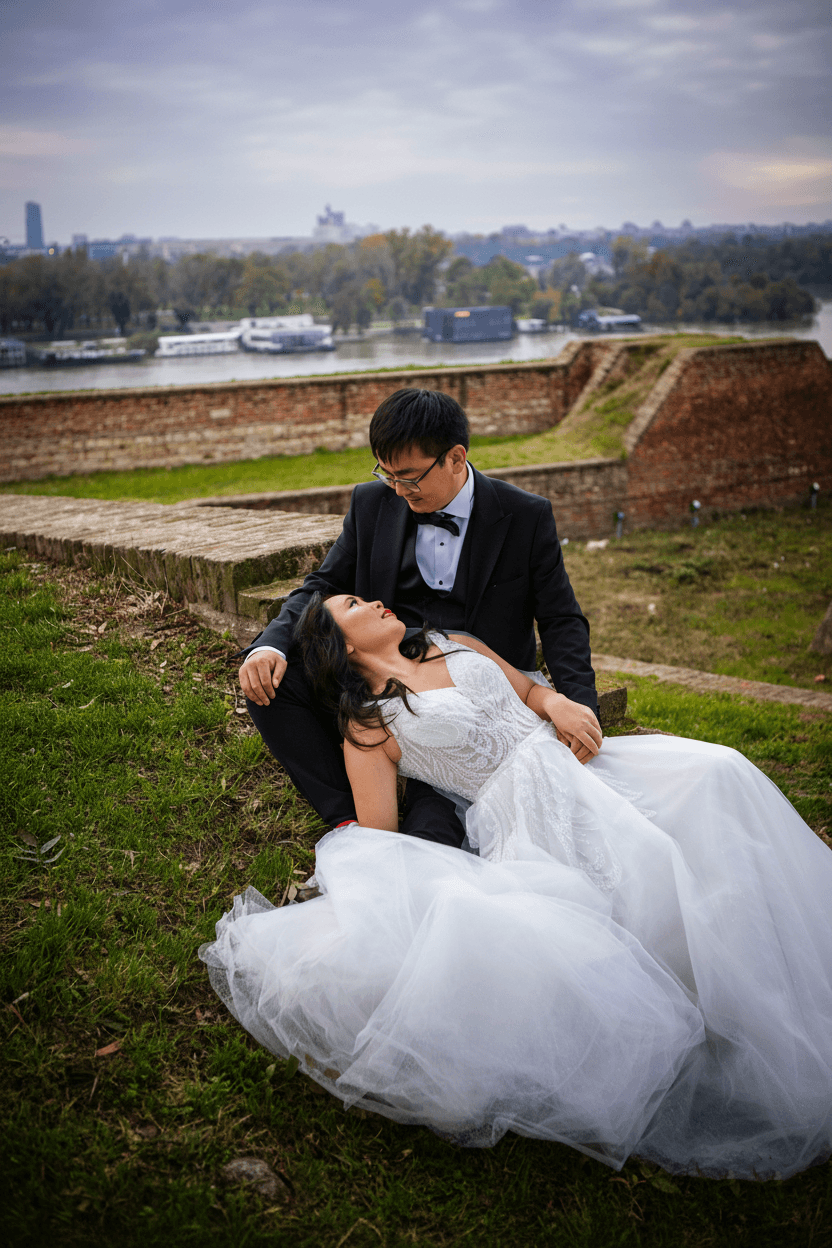
For a short city stay, look for someone local who works with travellers. A short traveler session in Belgrade is built around exactly this: a compact block of time that fits between lunch and your next stop, with a local guide behind the camera rather than a stranger reading from a map.
Fitting a short session into a travel day
The biggest worry people have is that a session will eat their day. It does not have to. Most sessions start at one hour. Engagement sessions run 2, 3 or 4 hours depending on the package. The best slot is often late afternoon, when the light is soft and the city starts to look its best: you spend an hour making photographs, then carry on with dinner.
Plan the session around a neighbourhood you wanted to see anyway. Instead of a formal studio, you walk a real part of the city, and the photographs come out of the place itself. That way the session is not a detour from your trip; it is one of the most memorable hours in it.
When you get home, the images land differently than the rest of your roll. A Belgrade discovery session gives you a set of portraits taken by someone who knows the city, alongside your own snaps: and together they become the trip you actually remember, with you in it.
If you are still deciding, the simplest step is to look at what is on offer. The sessions page lays out the options and how they are priced, so you can see whether one short block of time is worth trading for a set of photographs you will keep.