
Ten corners of Dorćol I keep coming back to
Quiet streets, painted doors and the cafés where sessions often end.
Alexander Mils

Quiet streets, painted doors and the cafés where sessions often end. Here is how it comes together, step by step.
Getting there
Most of the city centre is walkable, and sessions are planned so that each location is a short stroll from the last. For Zemun or the riverbanks, a short taxi ride saves time and keeps the energy of the session going.
Details to look for
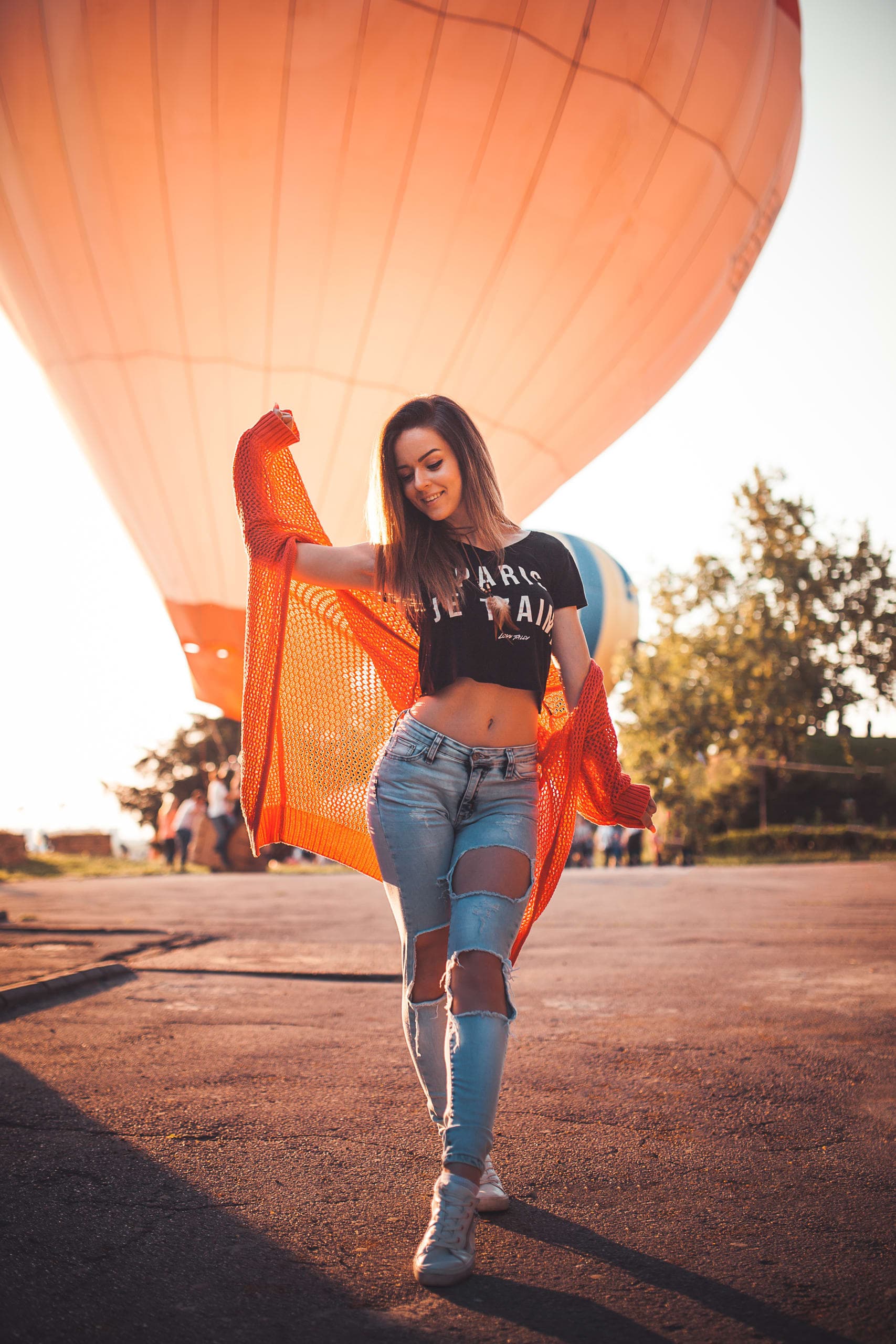
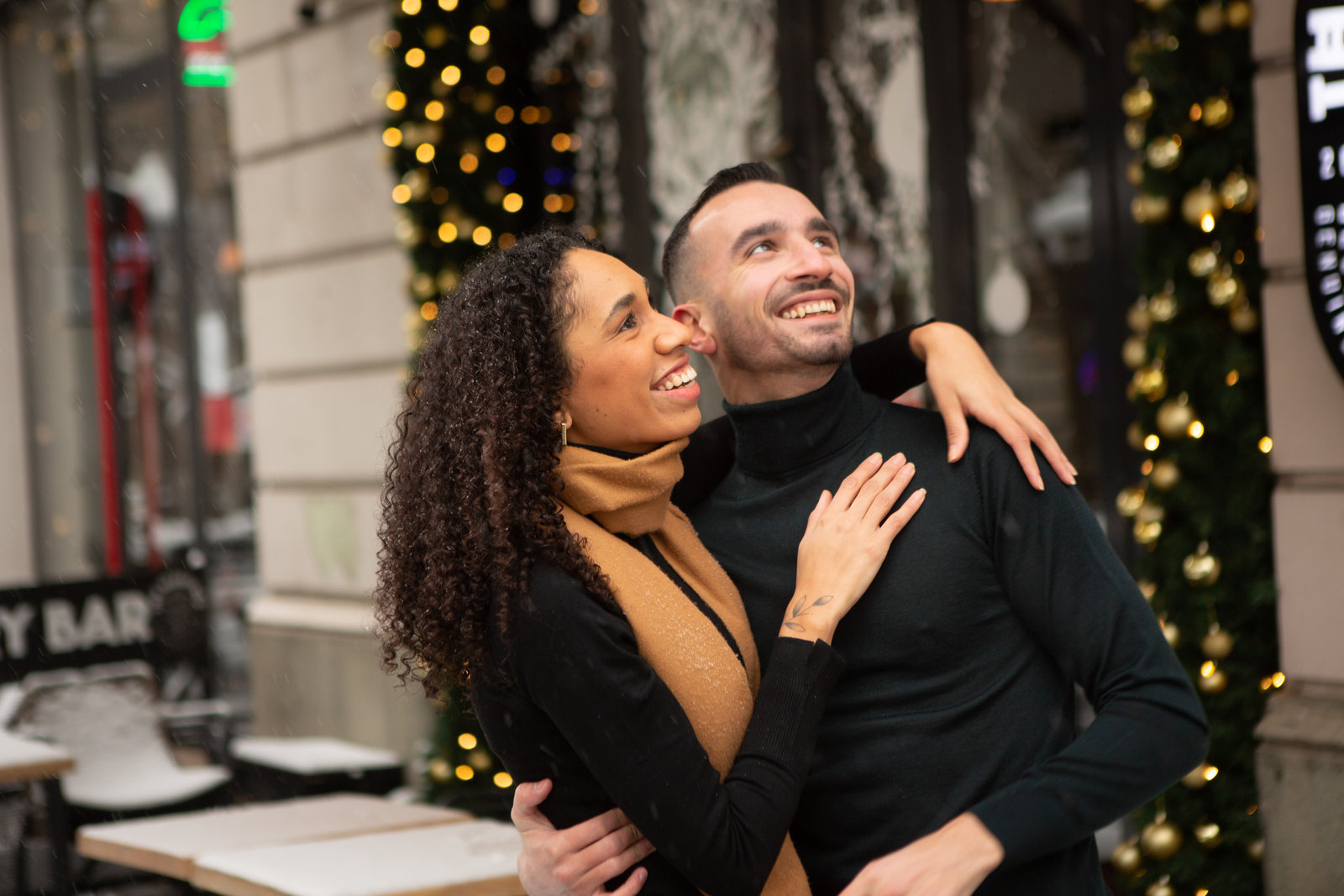
Painted doors, old shop signs, iron balconies, leafy courtyards and the endless cafés: these details give a portrait its sense of place without becoming a postcard. I love frames where the city is present but never shouts.
A quiet alternative
If a well-known spot is crowded, there is almost always a calmer place a minute away. A side gate, a staircase or a terrace can give the same feeling with a fraction of the people.
Combining locations
A typical session combines one iconic view with two or three quieter places. That mix gives a gallery variety: a few frames that say Belgrade at a glance, and many more that feel personal and calm.
Why this place works
Good locations have three things: interesting texture, open light and enough quiet to relax. Belgrade has them in surprising places, from the fortress walls to side streets that most visitors walk straight past on their way to the main square.
This is a sample post used to preview the Journal layout.