Directing without posing
How small prompts and a lot of walking replace stiff, borrowed poses.
Alexander Mils

How small prompts and a lot of walking replace stiff, borrowed poses. Here is how it comes together, step by step.
Editing by hand
Each photograph is edited individually. I adjust colour, balance skin tones and remove distractions, but I never reshape faces or bodies. The aim is a picture that looks like the best version of the day, not a different person on a different day.
Gear matters less than you think
I work with two camera bodies and a small set of prime lenses. They are quiet, light and fast, which matters more than any specification. The less equipment there is, the less it gets between me and the people I photograph.
Direction, not poses
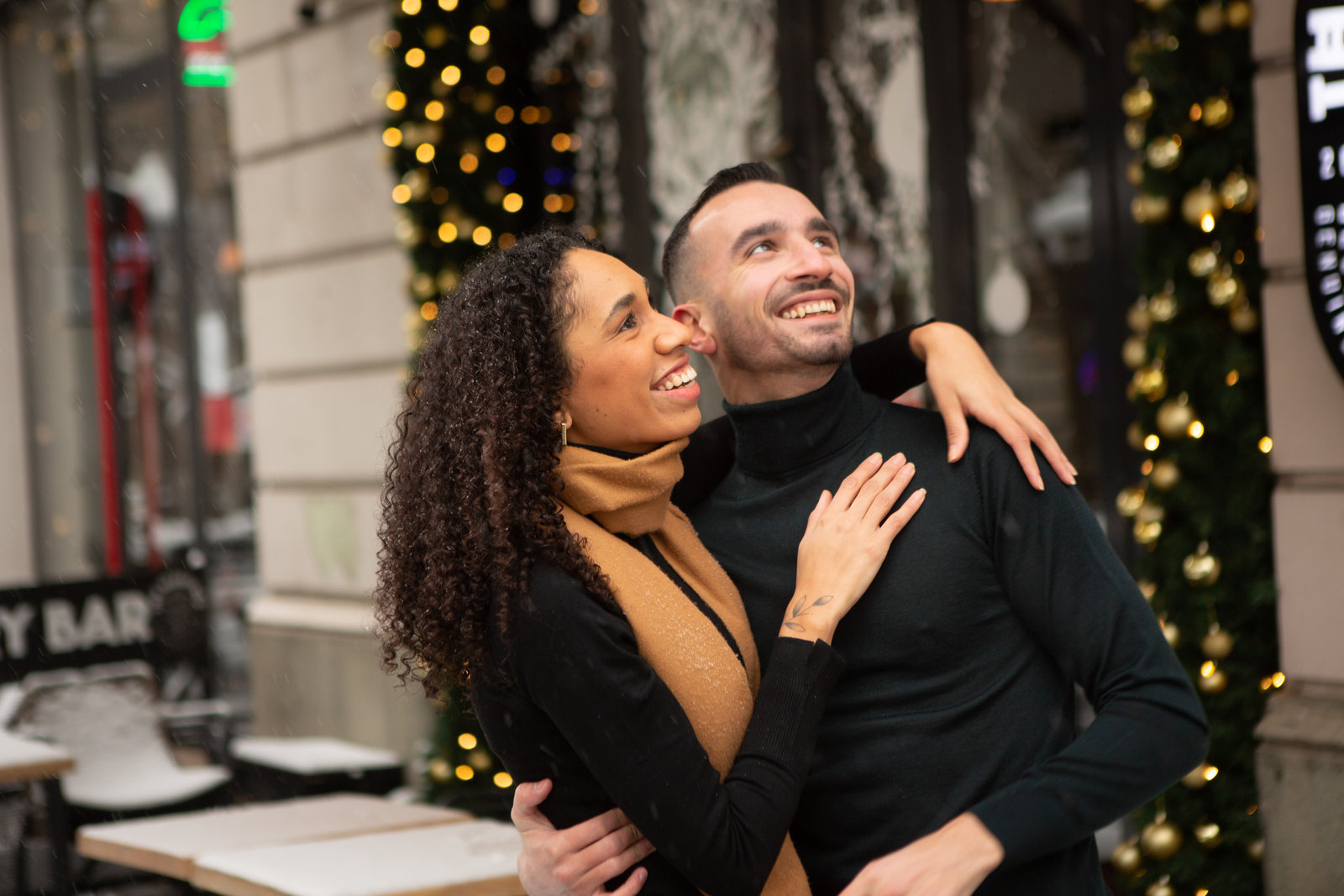
Instead of telling people how to stand, I give small prompts: walk towards me, tell each other a secret, look at the river and think about tomorrow. The body knows how to do those things naturally, and the photographs feel alive because of it.
Learning from every session
I review every gallery after delivery and note what worked: a location at a certain hour, a prompt that made someone laugh, a lens that suited a street. Those notes become the starting point for the next session.
Why it matters
Photographs outlive the moment they were taken. Treating each one with care is a small way of respecting the people in them and the time they gave to the session.
This is a sample post used to preview the Journal layout.


